
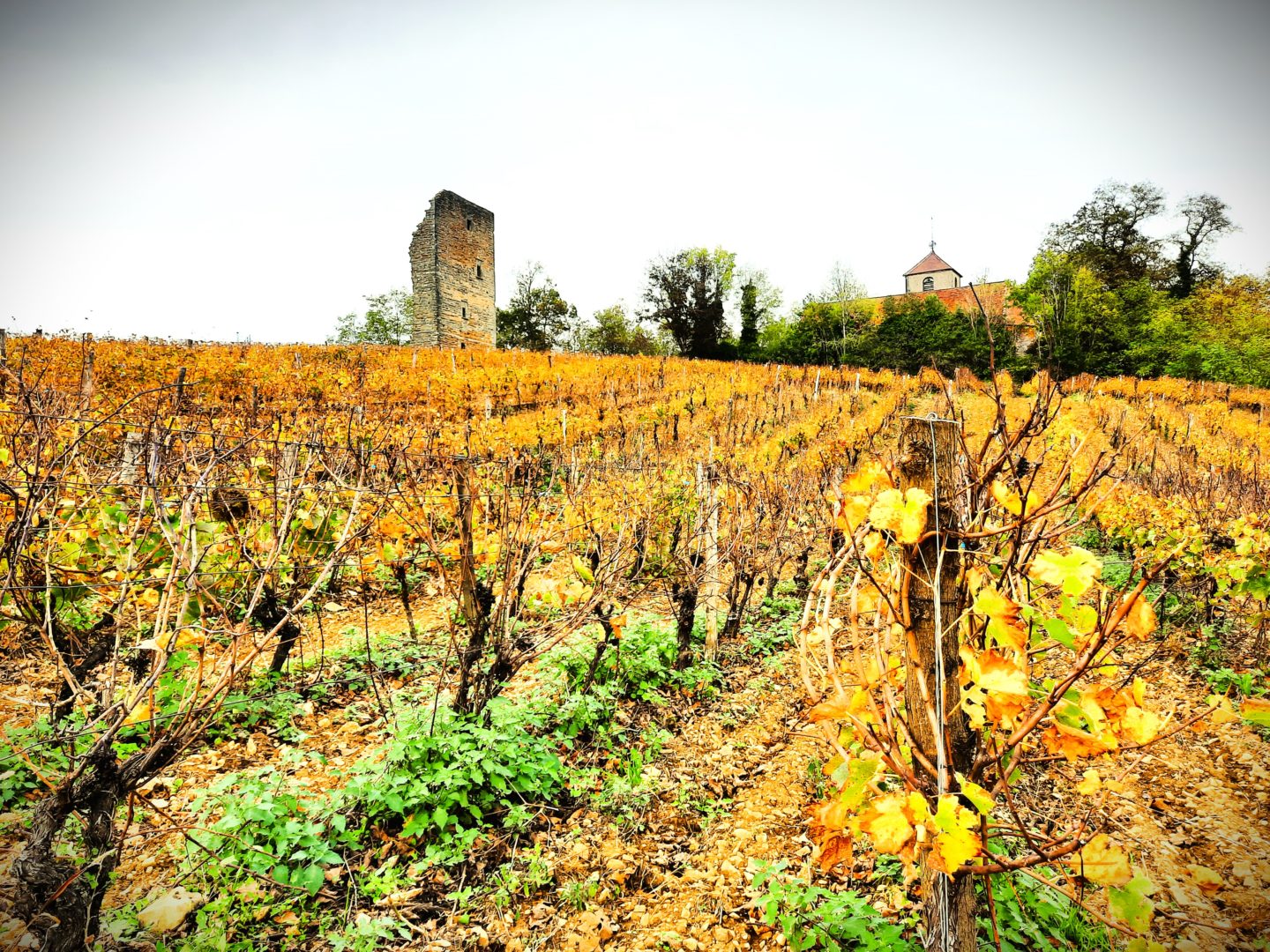
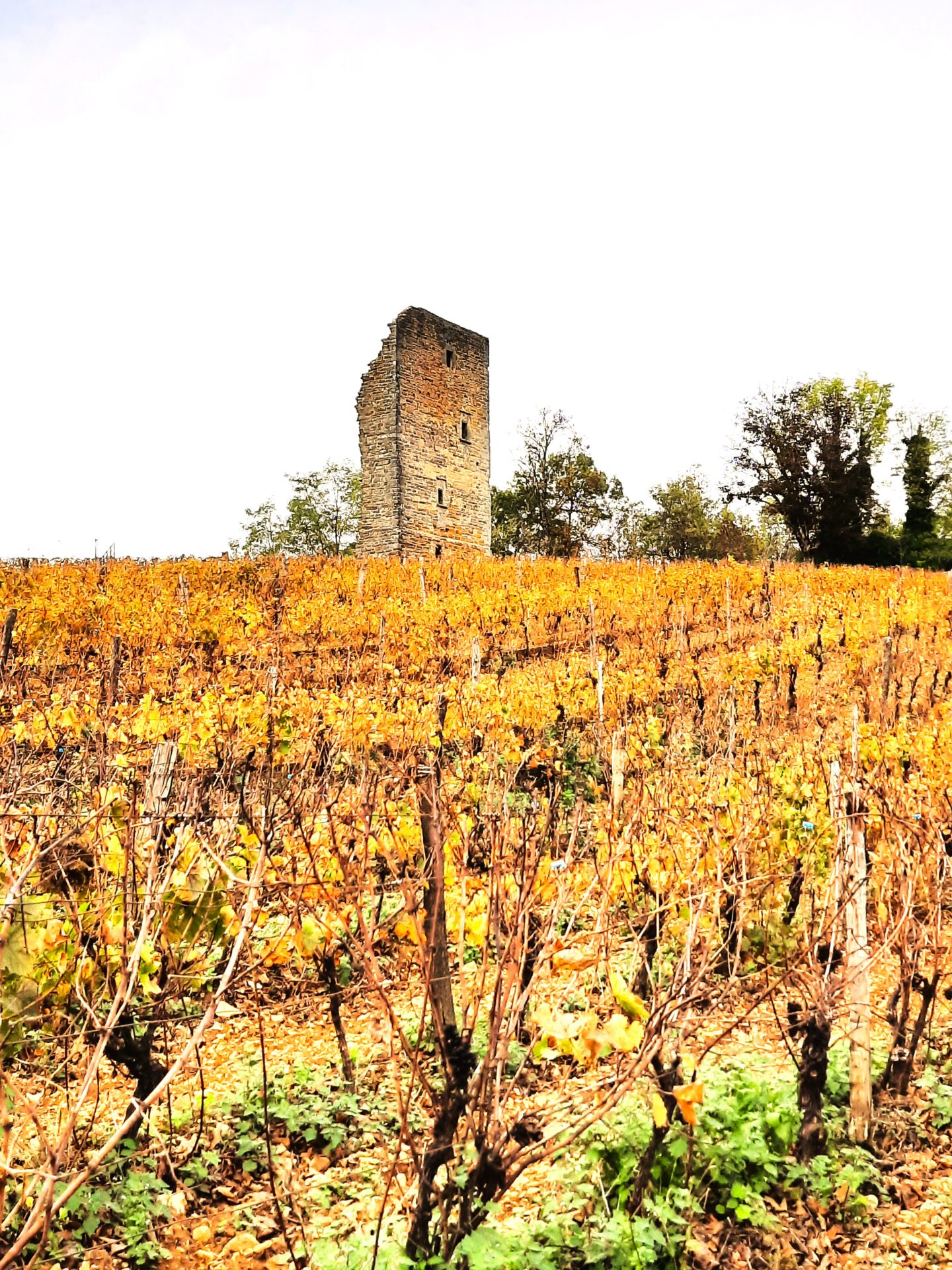
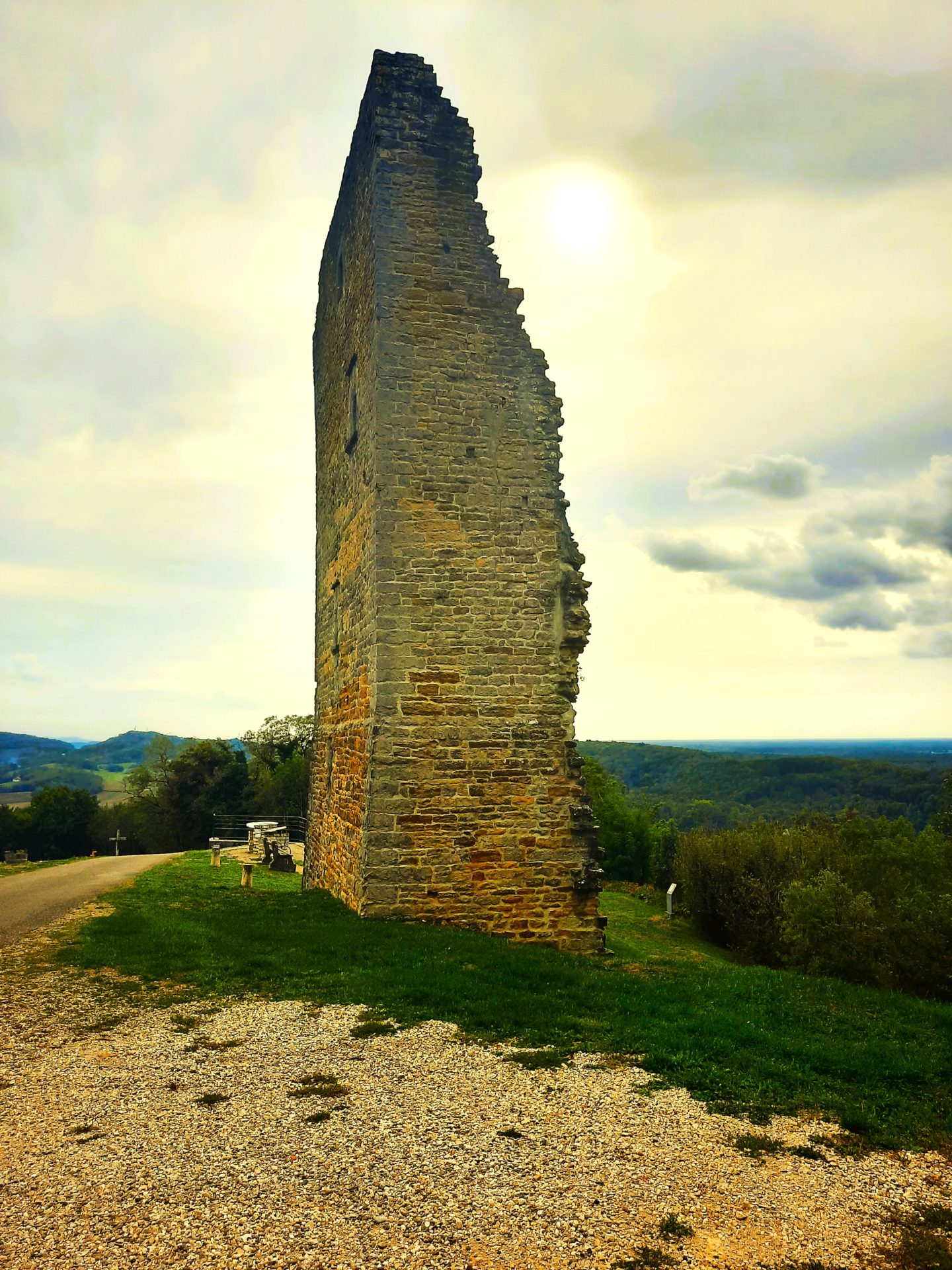
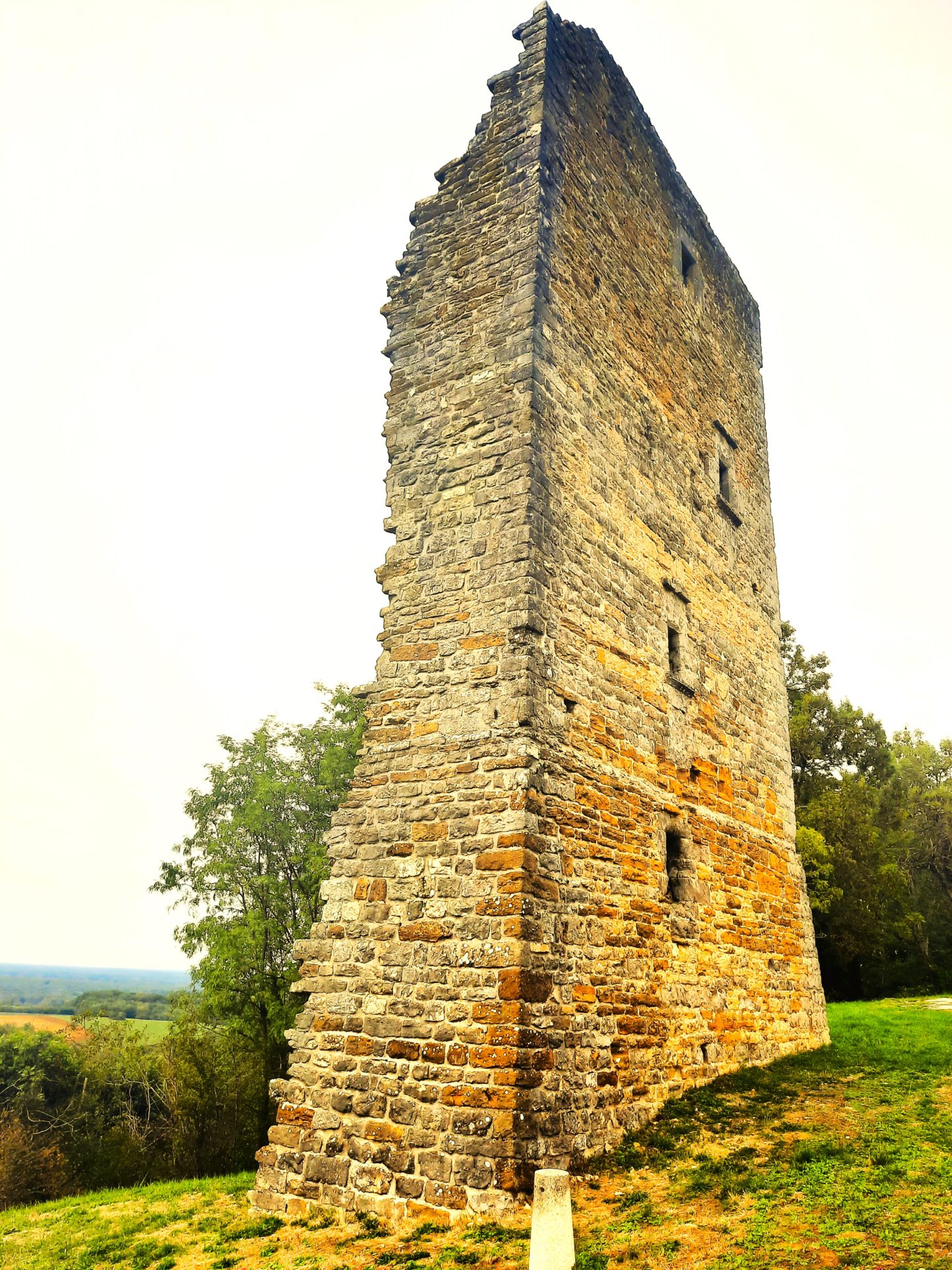
Toulouse-le-Château is a small village with a population of just over two hundred that keeps to itself in the vineyards. Only the ruins of the Tour de Marnix can be seen.
Bourg-dessus & Bourg-dessous
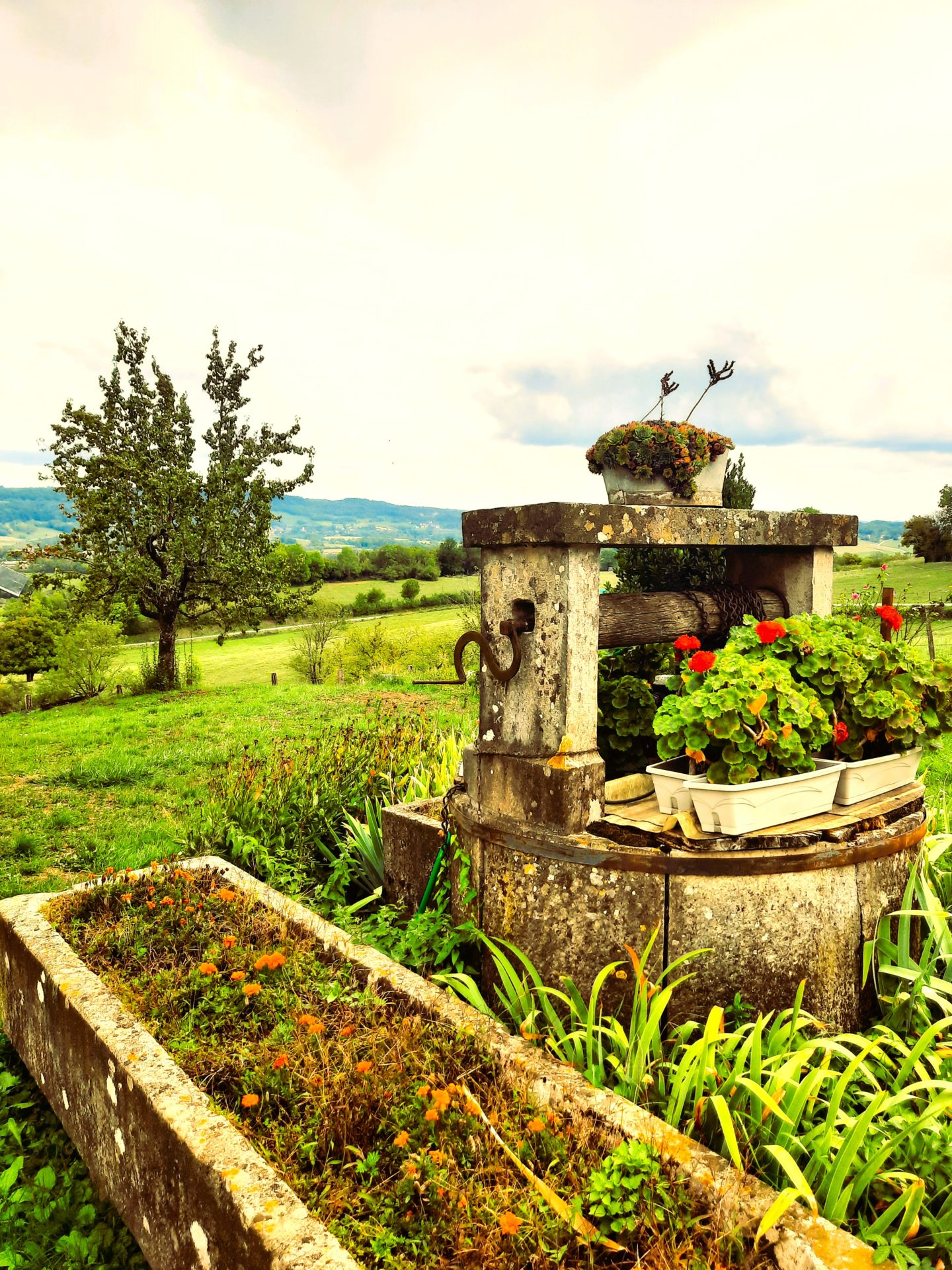
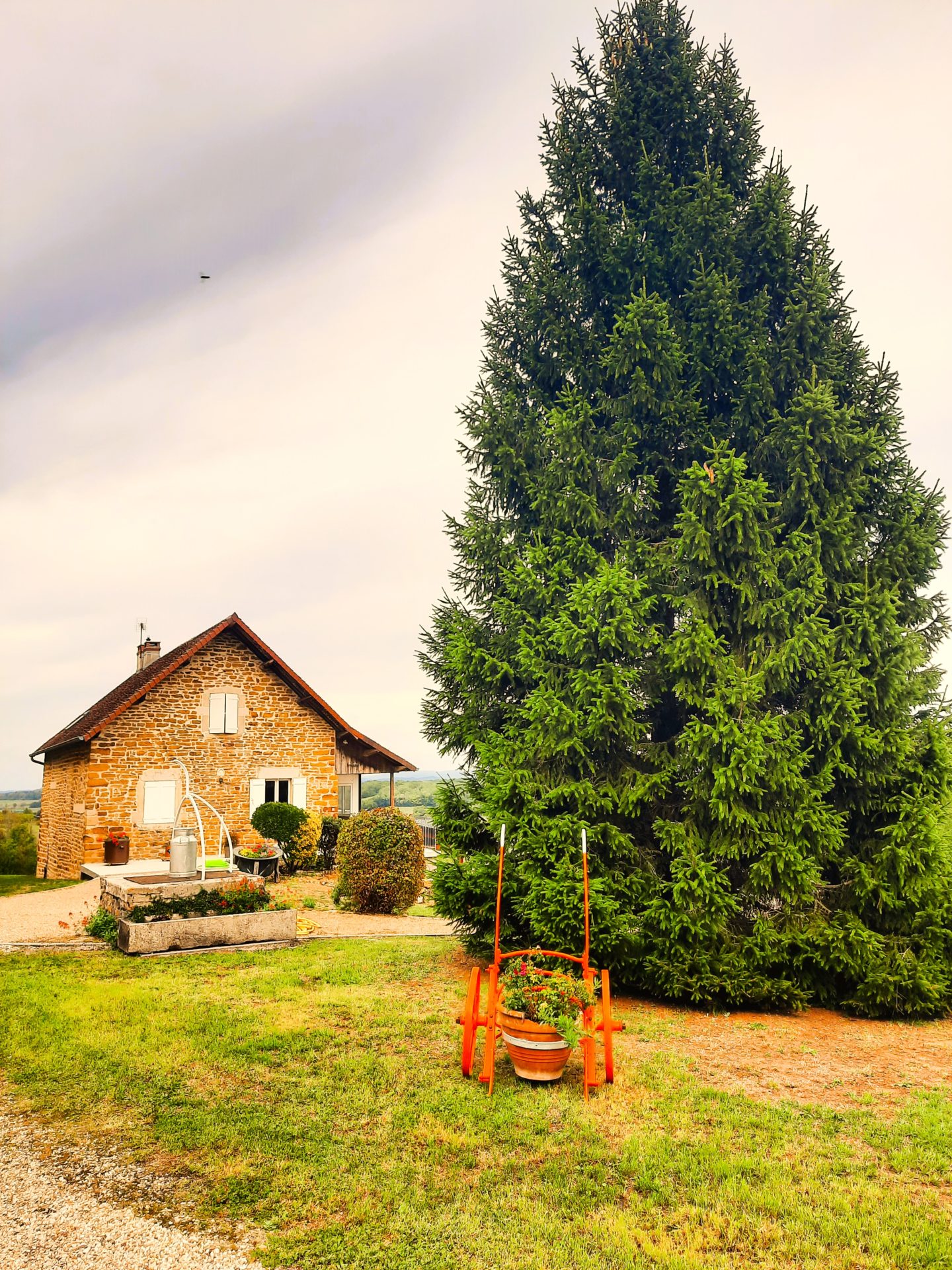
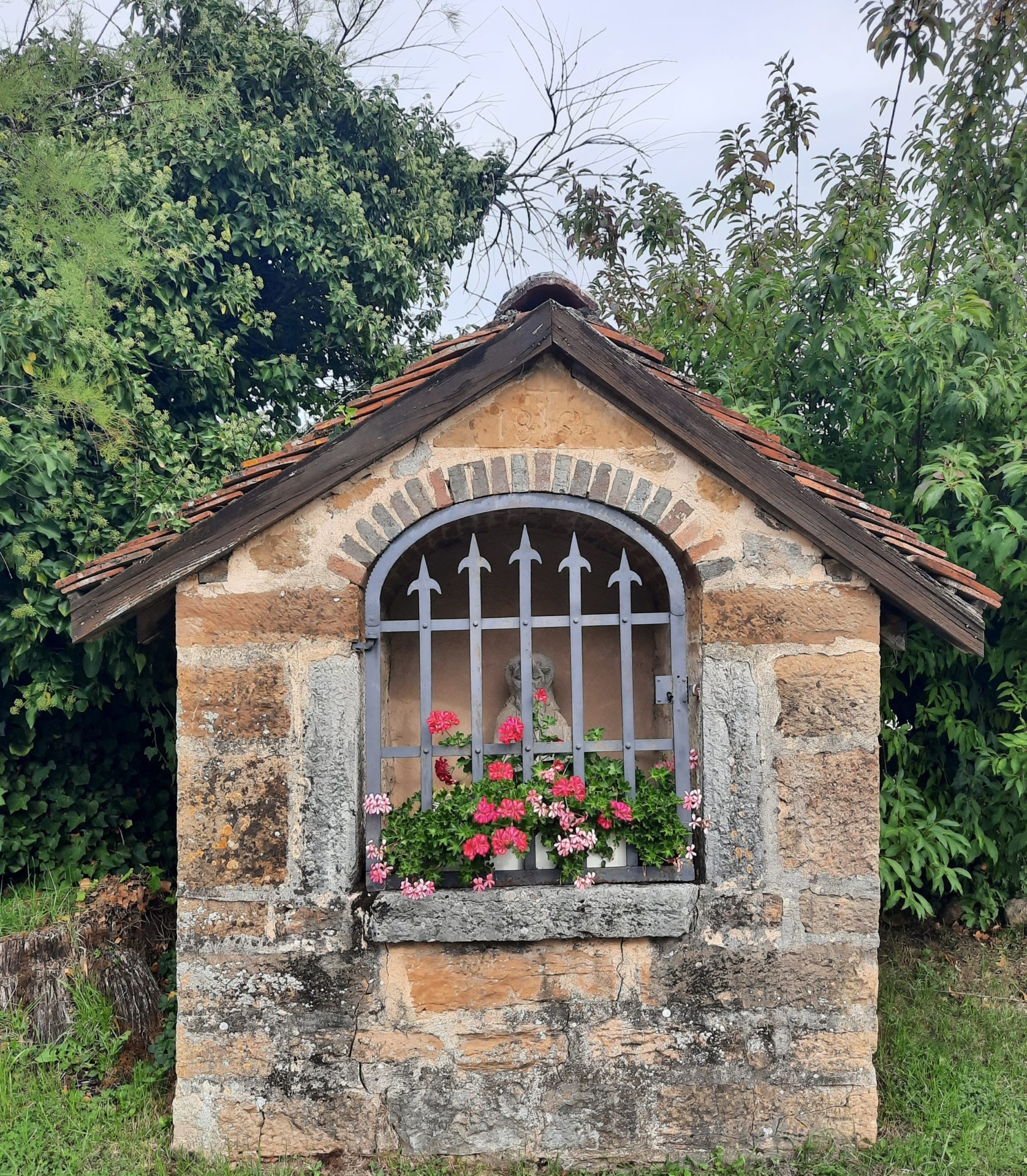
Toulouse-le-Château has always been divided into two distinct villages: the bourg-dessus (upper village) and the bourg-dessous (lower village). The bourgeois gentlemen lived in fortified houses, complete with turrets and towers, in the bourg-dessus, where you'll also find the church and presbytery. The rest of the population lived in the bourg-dessous.
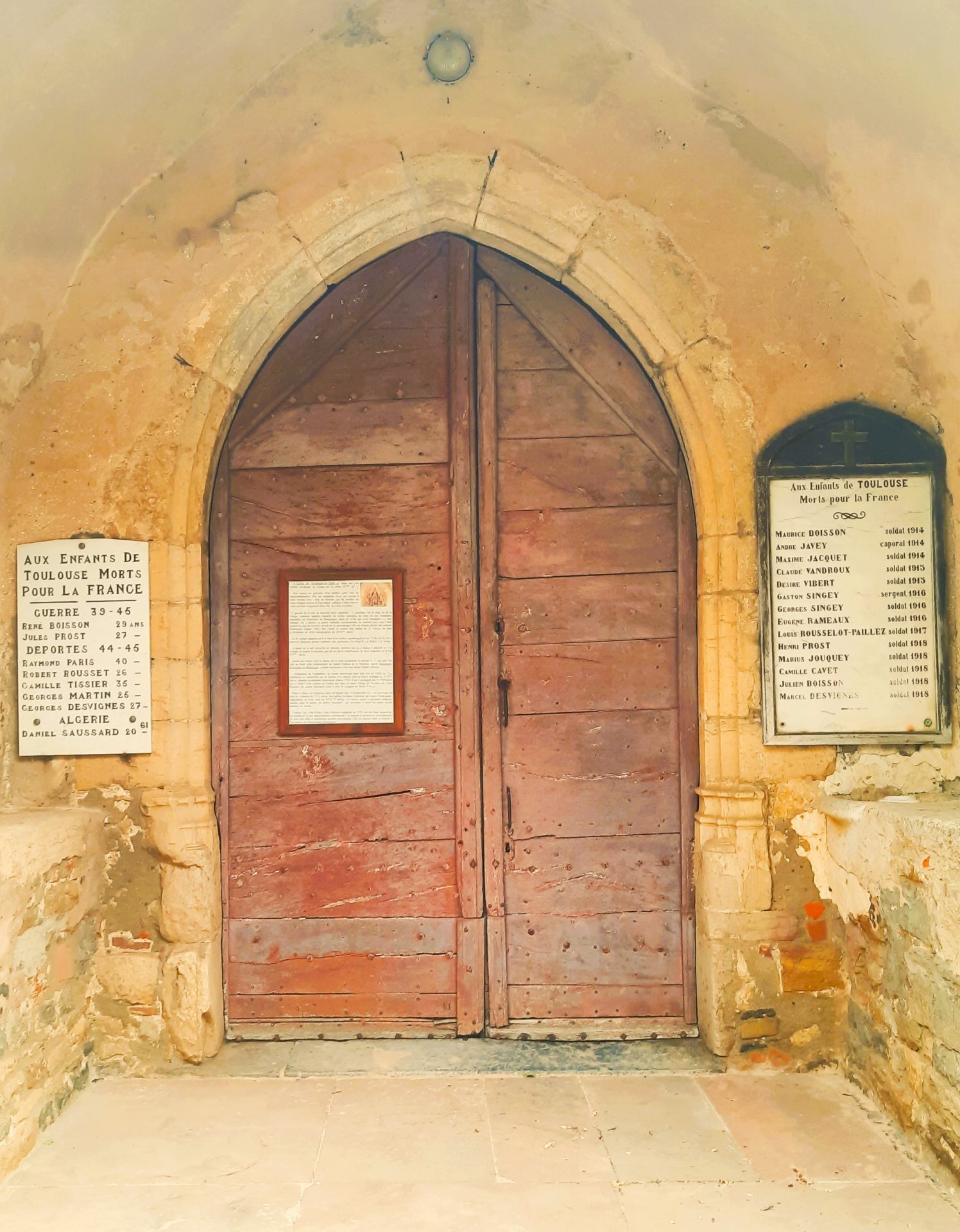
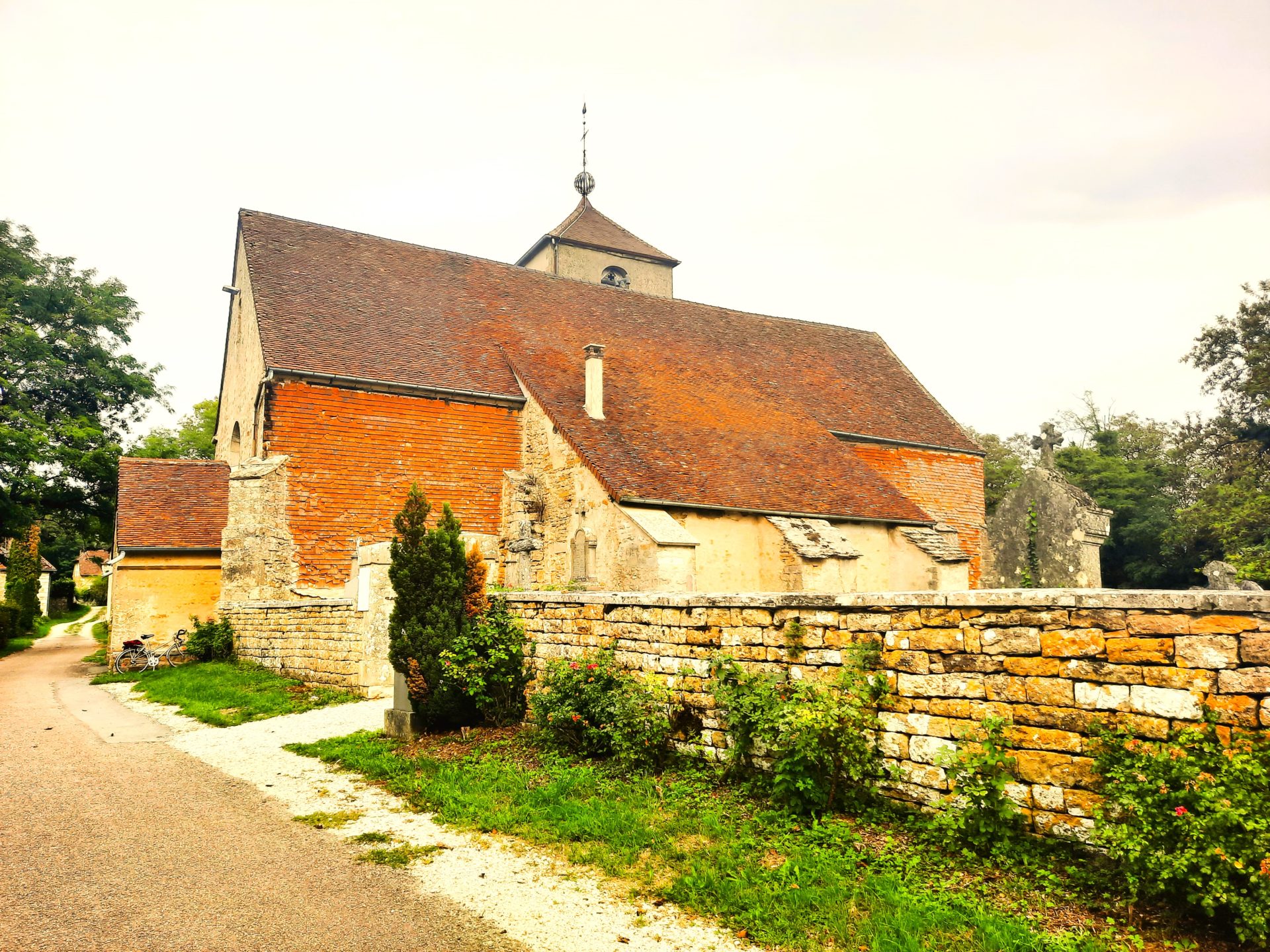
- It's likely that a pagan temple stood on the site of today's 15th-century church. Undoubtedly, the Roman remains found here are evidence of an ancient presence.
- Later, in the Middle Ages, the Comtes de Poligny were lords of Toulouse for several centuries.
A defensive tower
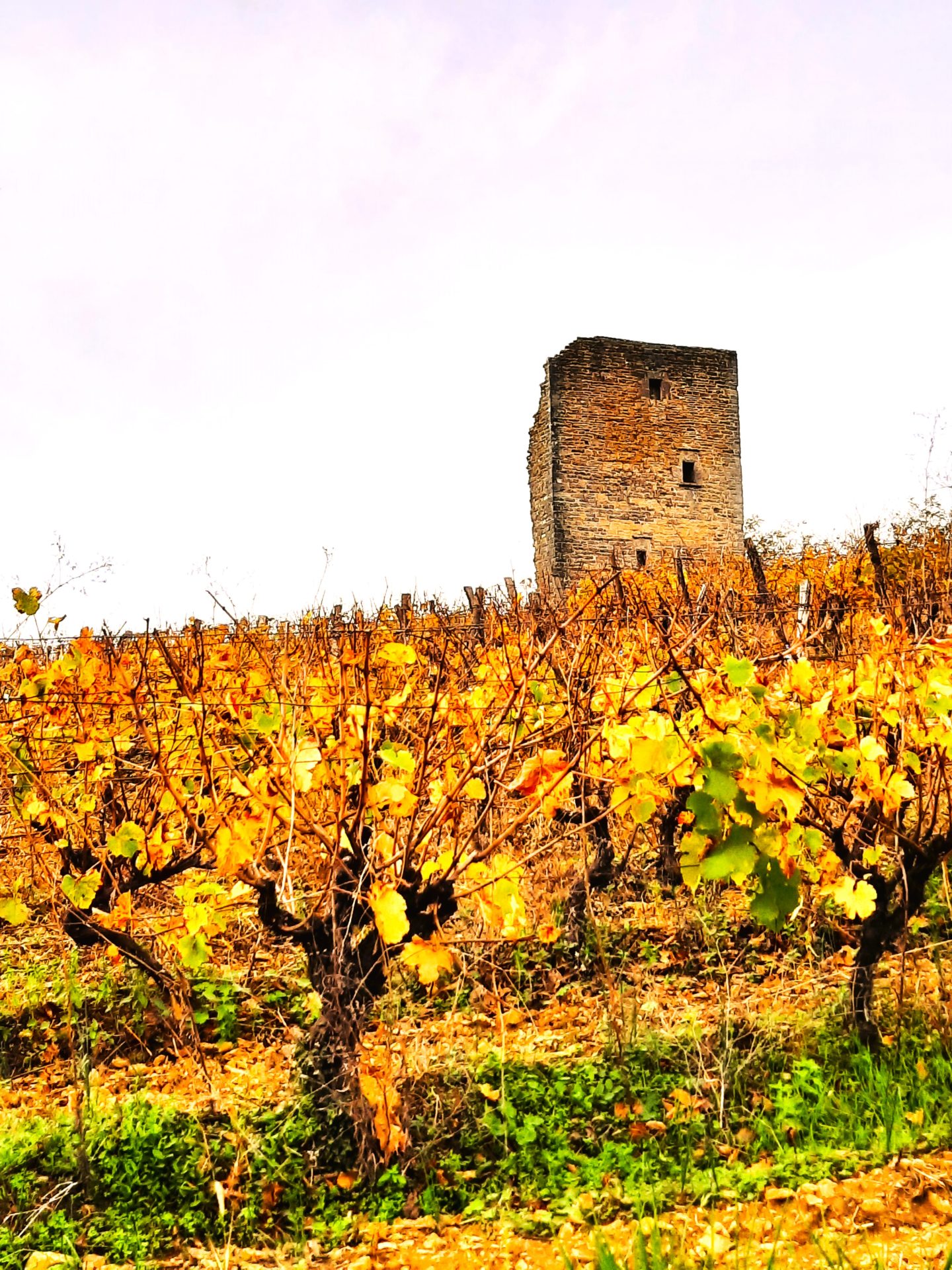
It is assumed that the Tower had a defensive role, as evidenced by the firing slits. Mont de Toulouse is located near Sellières. It also overlooks the plains of Bresse, Burgundy and the Brenne basin. In the 15th century, Toulouse-le-Château was raised by a keep. It enabled the town to keep watch over a vast agricultural estate below. It also established the authority of the provost under the aegis of the Count of Burgundy.
"Dole [...] rebelled two years later, giving rise to the War of Burgundian Succession".
In 1477, on the death of Charles Le Téméraire, Louis XI, King of France, claimed these lands for himself. Dole, followed by other towns in Franche-Comté, rebelled two years later, giving rise to the War of Burgundian Succession. The armies of the Kingdom of France laid waste to Toulouse-le-Château and Sellières. The Tower of Toulouse is overturned.
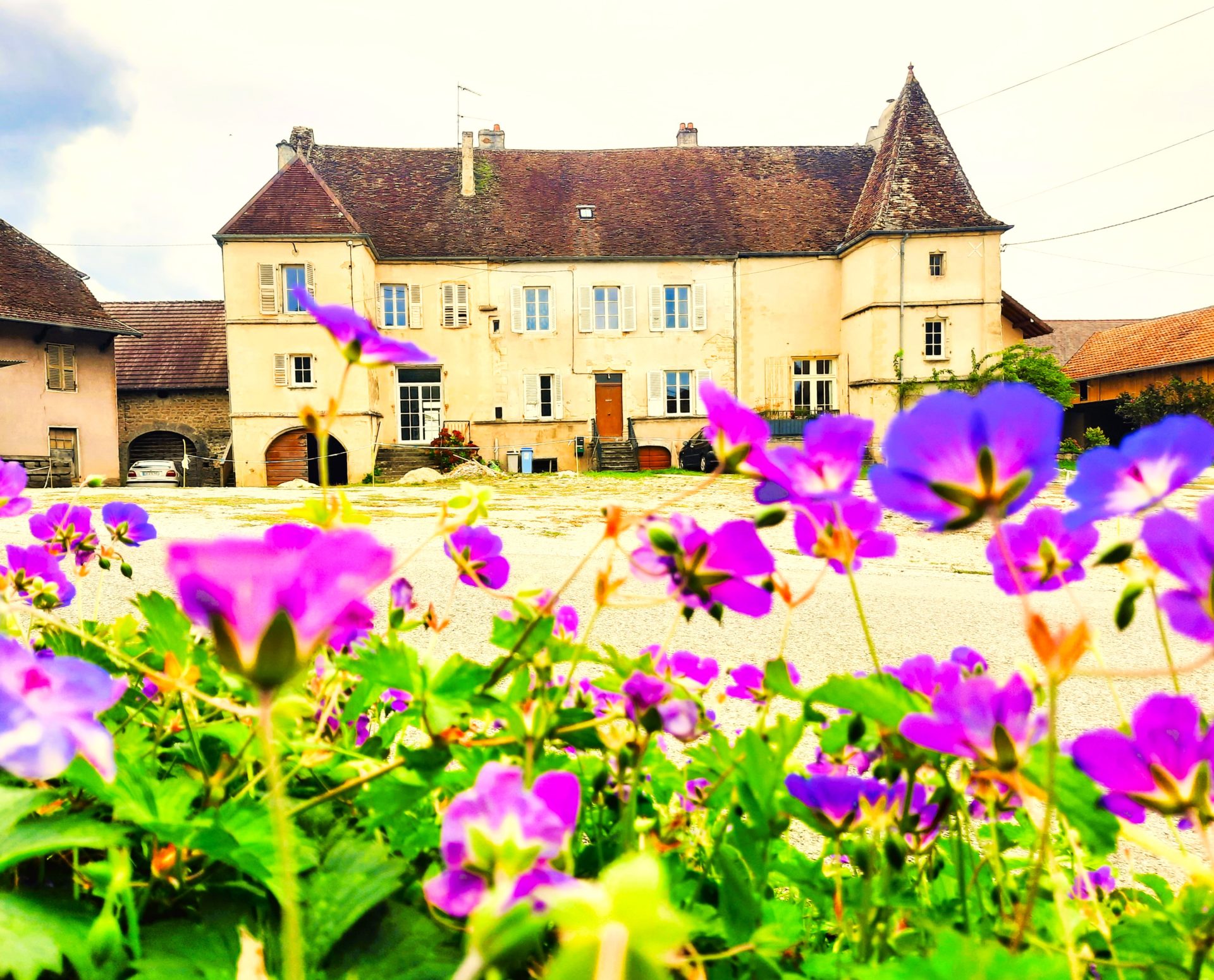
Nearly a century later, Jean de Marnix became secretary to Marguerite of Austria and the new Lord of Toulouse. He tried to raise the Tower, but in the end, he built his château in the village below.
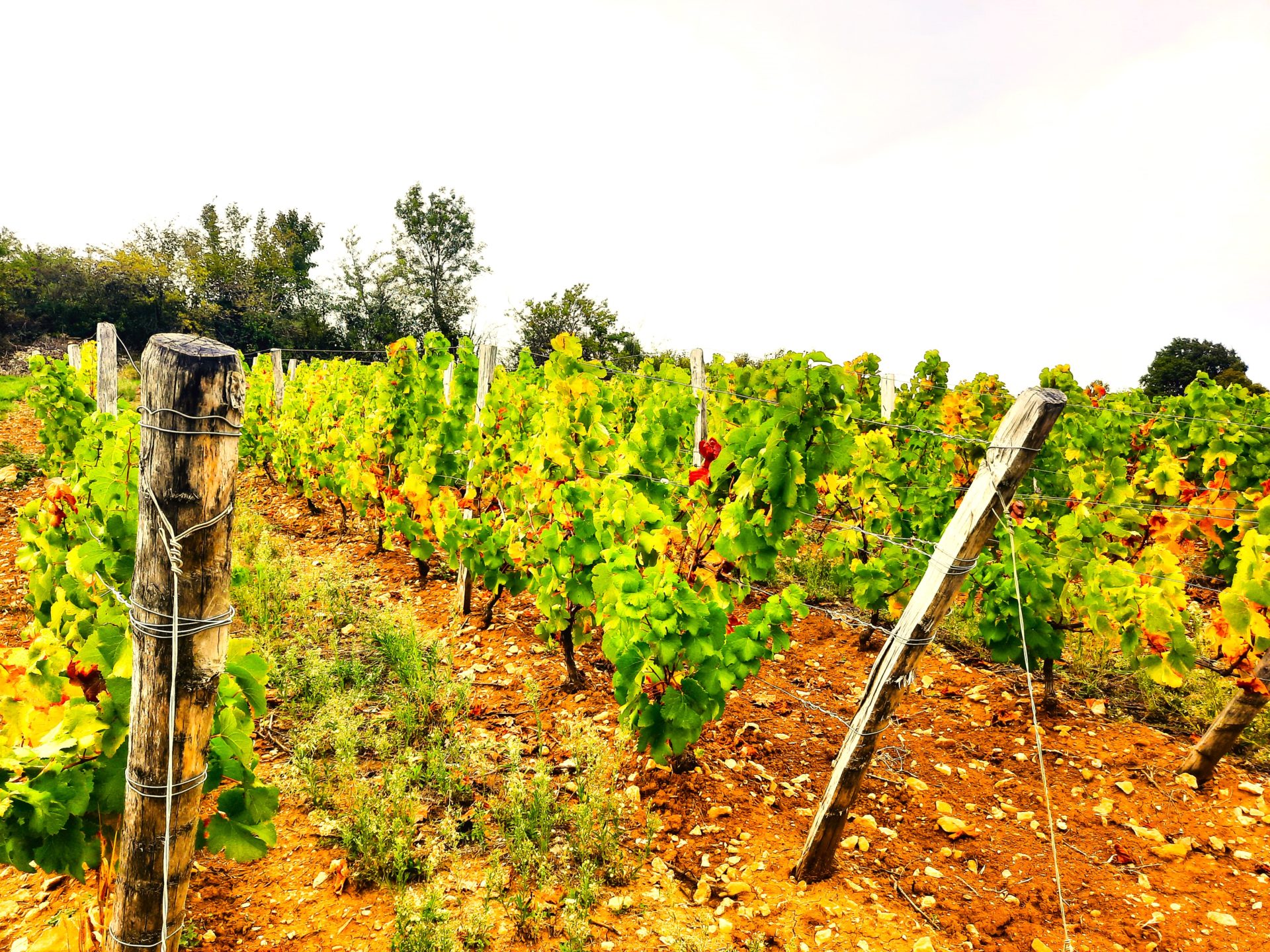
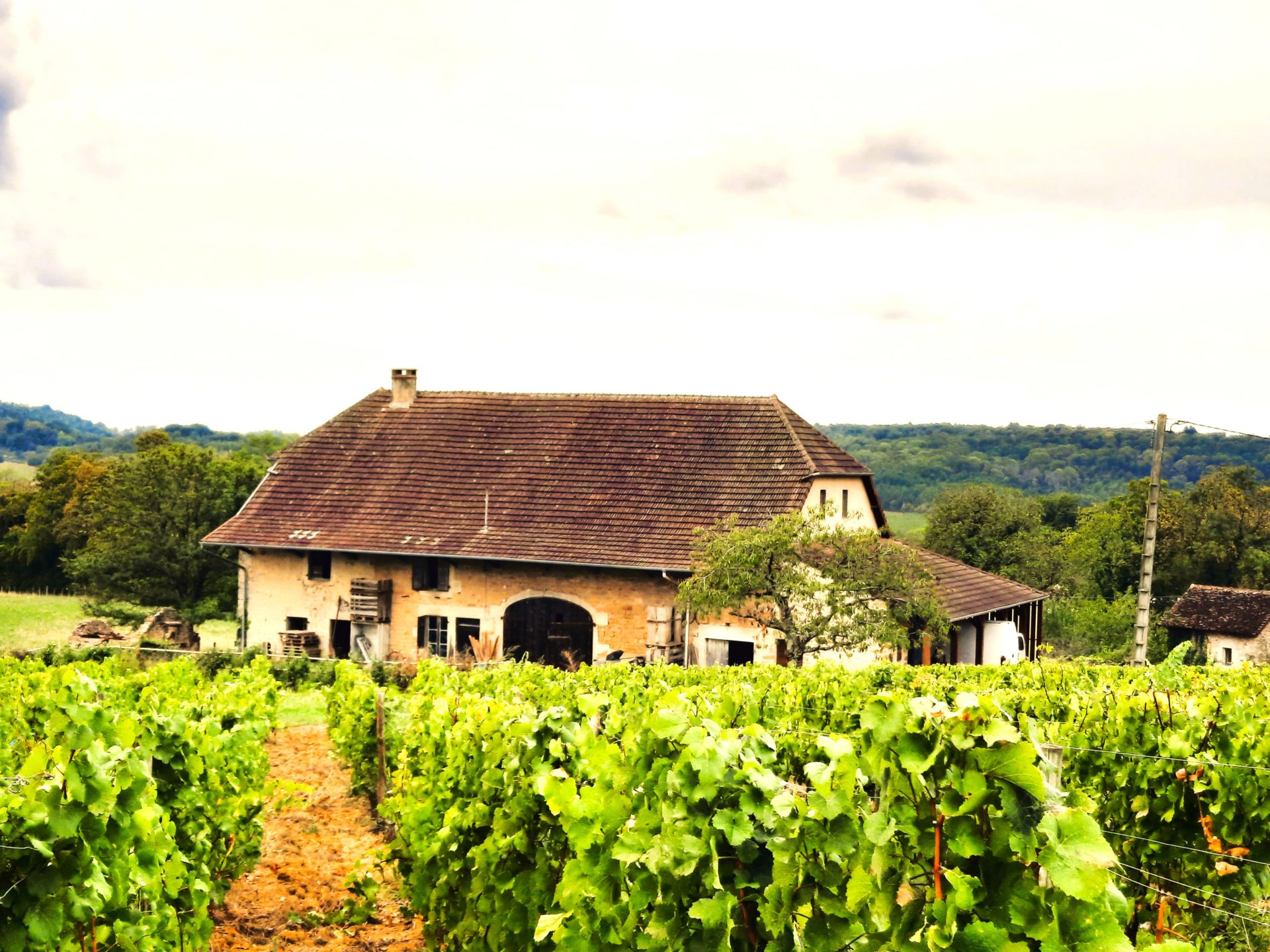
Today, Toulouse-le-Château is a small, mixed farming village. Winegrowing dominates, with the village now classified as an AOC Côtes du Jura.
In the footsteps of Jean de Marnix " walk:
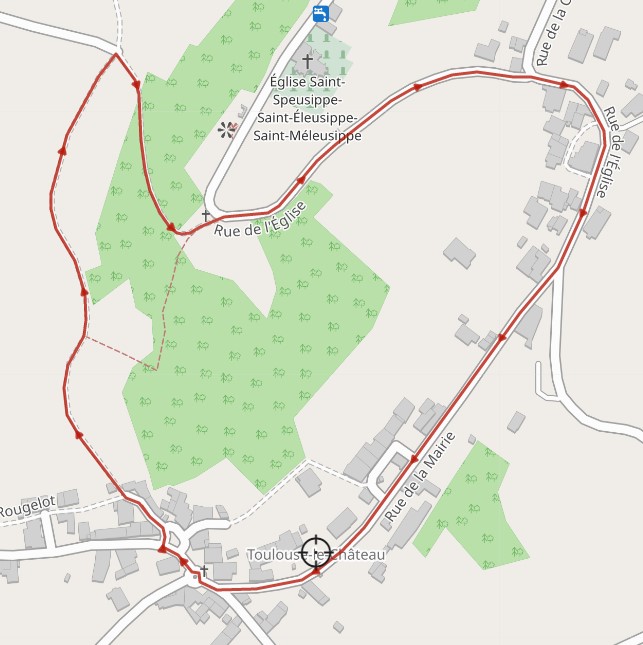
This walk will plunge you into the history of Toulouse-le-Château...
- Departure from the village below Place Sur la Fontaine, at the junction of Route de Sellières and Chemin de la Côte.
- Take the Chemin de la Côte. Continue straight ahead on the gravel path through the vineyards.
- Above, near the information sign, take the path up through the woods.
- Once in the village above, take time to admire the church, the famous Tour de Marnix, the presbytery and the houses of the village above.
- You can then go down to the village below by taking rue de l'Eglise, then rue de la Mairie to arrive back at Place Sur la Fontaine.
JurAbsolu option: After rue de la Mairie, turn left on route de Poligny to admire Jean de Marnix's château.
Tour de la Bresse Comtoise :
Toulouse-le-Château is also the starting village for the Tour de la Bresse Comtoisea 105 km circuit with a 1,080 m ascent through the Bresse and Revermont regions of the Jura. It's a great way to enjoy local produce and the peace and quiet of this bucolic region.